
A well-maintained roof is the first line of defense in safeguarding the structure below.
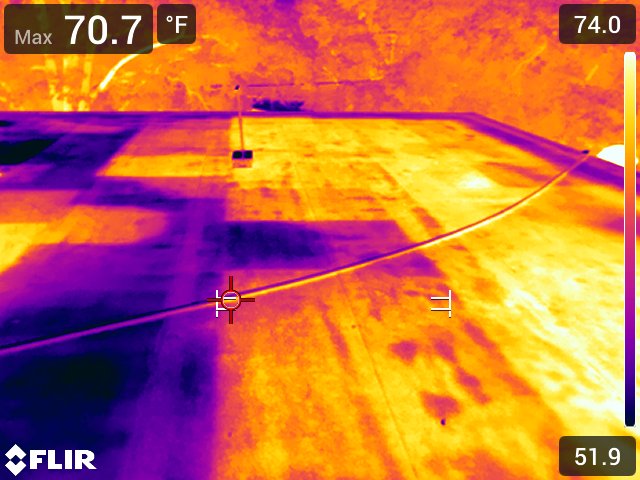
A building's roof is its "fifth wall"—arguably the most critical yet often the most overlooked component of the structure.
On flat, non-metallic roofs, thermal cameras reveal wet insulation by detecting areas that retain heat longer than dry sections.
Reflective roofs, particularly those with highly emissive coatings, or metallic surfaces, can present challenges for standard longwave infrared cameras. Midwave technology, though, is less affected by surface reflectivity which reduces false positives, resulting in more reliable data, better diagnostic confidence, and more informed maintenance decisions. To ensure the most accurate results for your roof type, we utilize both midwave and longwave thermal imaging.
Whether your roof appears to be in good condition or shows visible signs of damage, early detection of hidden issues is critical—and infrared inspections not only reveal these potential problems but also help fulfill roof warranty requirements.
Our easy-to-understand reports clearly identify thermal anomalies, mapped onto a PDF drawing of your roof—helping you budget accurately, prioritize repairs, and avoid replacing sound roofing materials.
In some applications, wide-scale capacitance testing can be used. It also provides a fast, non-destructive method for identifying and mapping moisture intrusion across large areas.
 Tramex Moisture Meter
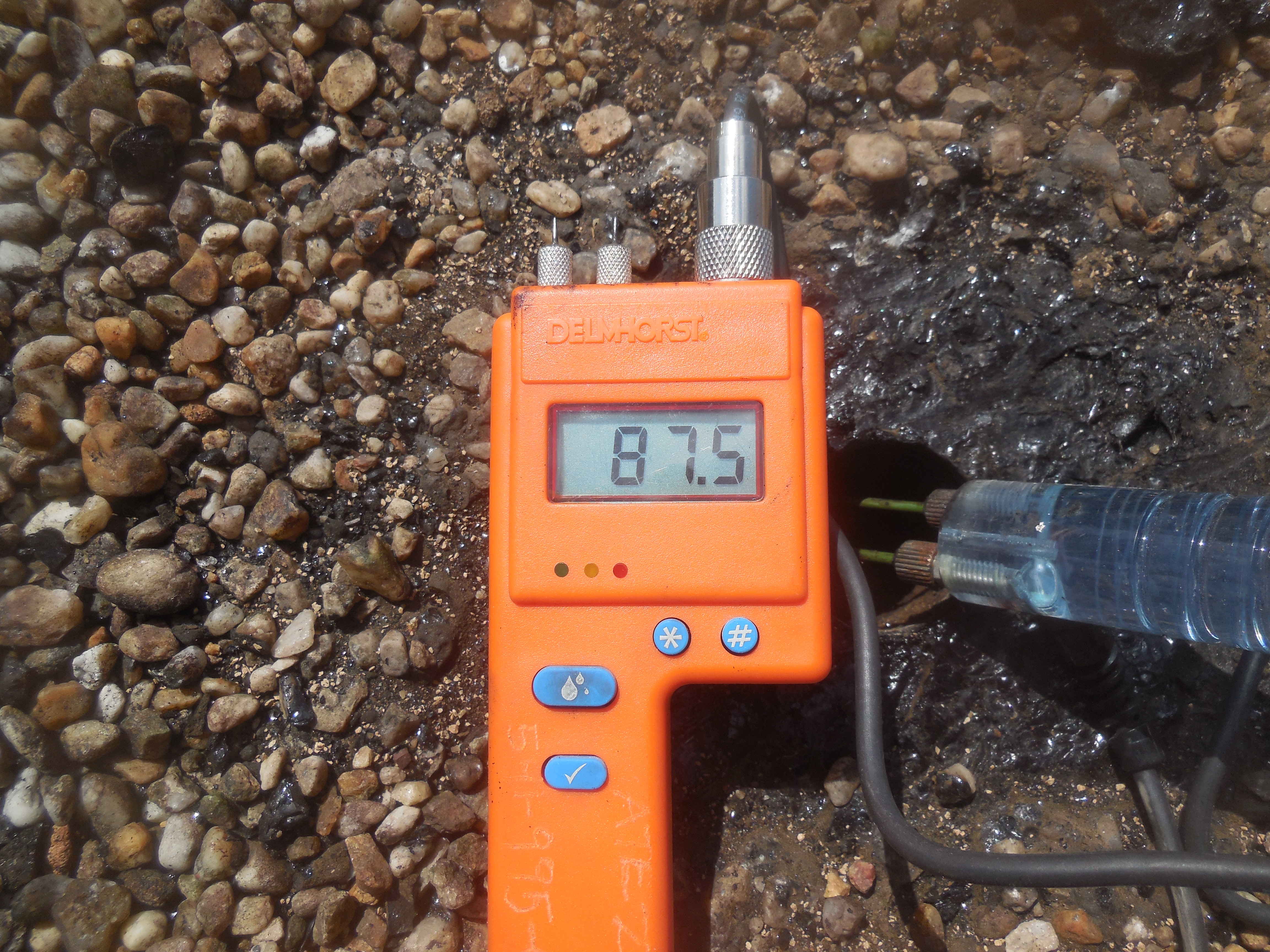 Delmhorst Moisture Meter
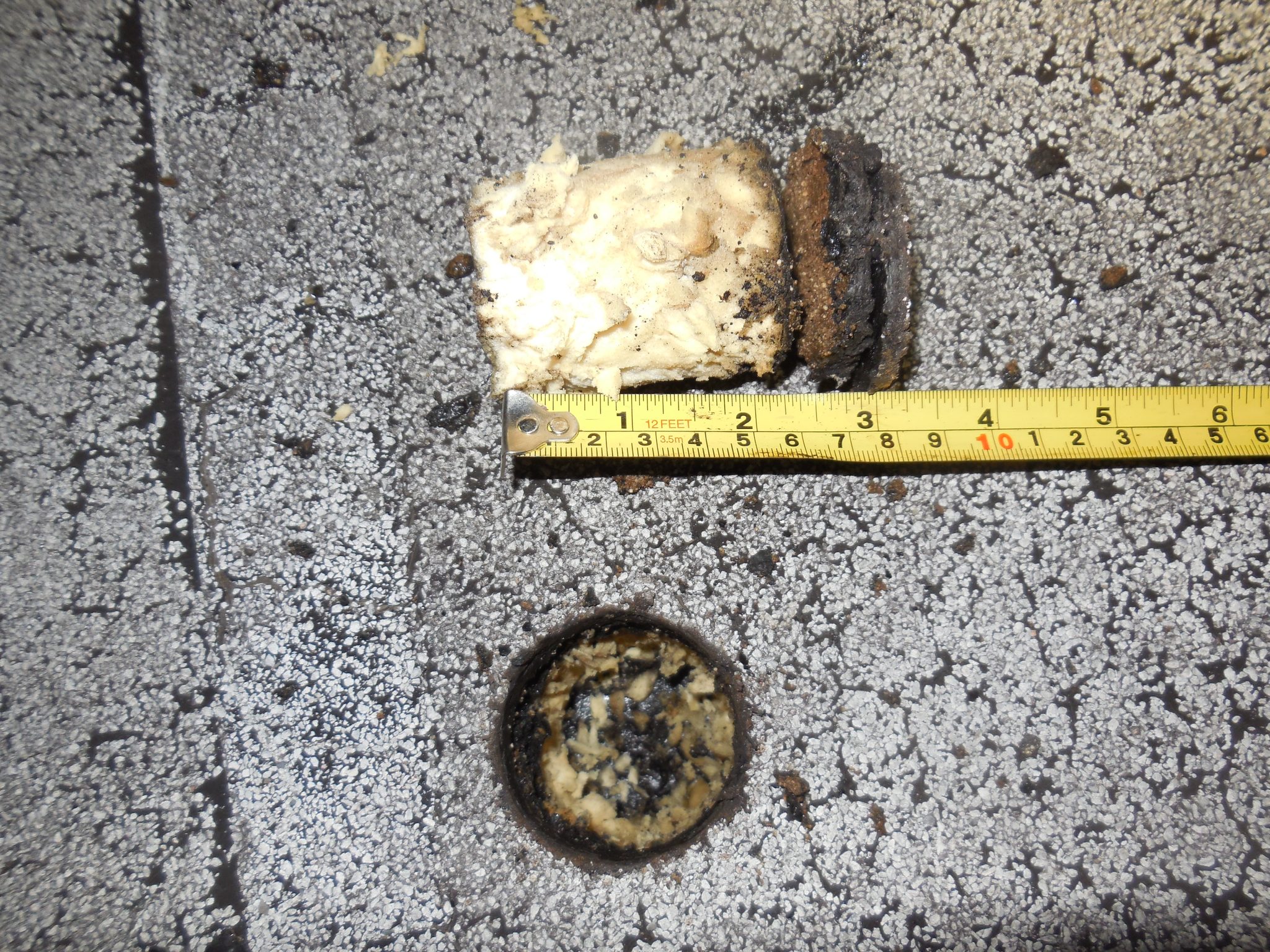 Core Cut Sample
Scans begin at sunset and require a dry roof membrane with no standing water, snow, or ice. Additionally, highly reflective roof surfaces require some sun (heat) exposure to collect accurate scan data.
Yes. Dry roof conditions and sufficient ambient temperatures are required for accurate equipment performance.
Infrared thermography identifies areas of potential moisture intrusion, which we verify using nuclear backscatter, capacitance testing, and/or core sampling to confirm moisture content, when applicable.
A comprehensive report featuring thermal and digital images, a PDF roof drawing highlighting affected areas, and detailed square footage calculations.
Multiple inspection services can be combined into a single comprehensive scan to provide cost savings and added convenience. Examples include a roof infrared and building envelope combination scan, an infrared roof and electrical system scan, or a nuclear backscatter roof scan paired with an infrared building envelope assessment, among others. Contact us today to develop a customized approach tailored to your facility and budget.
Get your personalized quote today.
Get a Quote